.png)
Finding Balance: Using Technology Mindfully

Technology is a huge part of almost everyone’s daily lives. Whether it be for work, education, leisure, or communication purposes, technology plays a huge role. However, a lot of people tend to feel like they are being overwhelmed with notifications, scrolls, and the feeling of always having to be available through their devices. Developing a healthy approach towards technology can be very useful.
Mindful use of technology does not imply abstaining from all kinds of devices and the internet. On the contrary, this implies being conscious about the time you spend on technology, what you use technology for, and the reason why you are using that particular piece of technology.

The Influence of Technology in Our Daily Lives
According to DataReportal's Digital 2025 research, the average person spends approximately 6 hours and 37 minutes per day using internet-connected devices. This means many people spend more than one-third of their waking hours interacting with screens, making mindful technology use increasingly important
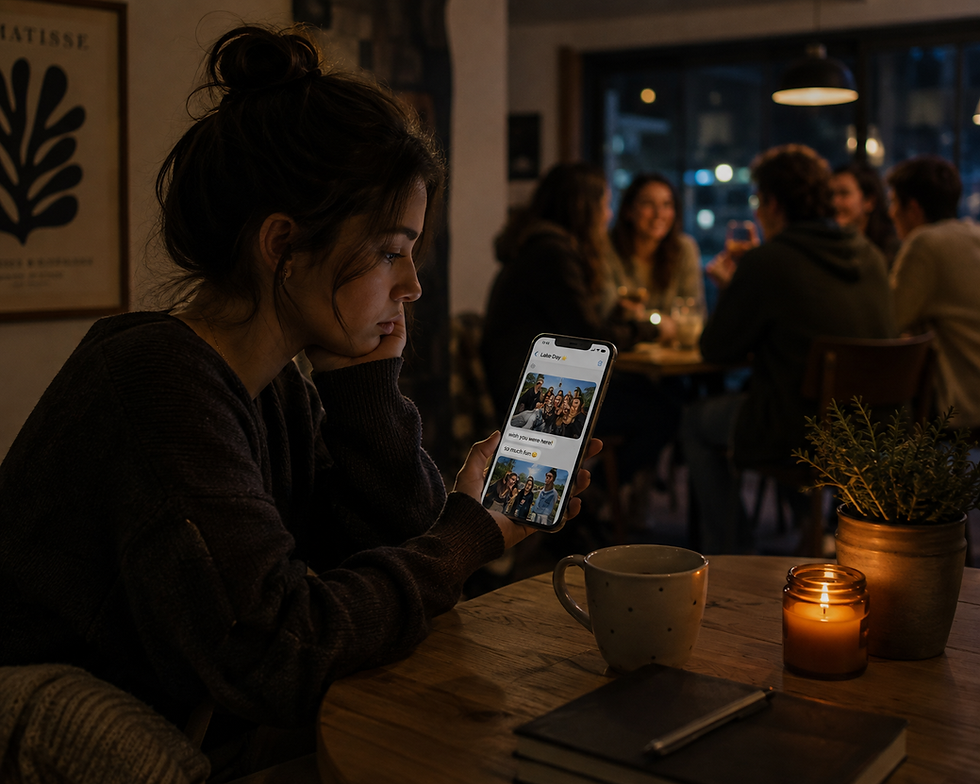
There is no denying that technology provides us with many benefits; however, its abuse may pose some difficulties that might not be noticed. We unconsciously tend to grab our smartphones the moment we get out of bed, while eating, or at any other time when we have a little leisure time. All these small behaviors may ultimately distract us from living fully in the moment.
In addition, constantly stimulating our brains with different applications, messages, emails, and social media posts can make one feel mentally exhausted. Realizing how technology affects our emotions and energy is a crucial step toward adopting better behaviors.
Unhealthy Technology Practices
Mindful use of technology starts with awareness. Most of the ways we use our technology happen unconsciously and automatically because they have developed over time. This could mean checking social media without knowing why or staying on your device longer than you had initially anticipated.
These moments of awareness can be incredibly informative. Paying attention to why you’re using technology will give you an idea about what is driving your screen time. This understanding can assist you in making better decisions around how to use your technology.
Establishing Limits to Promote Overall Health
Setting healthy limits prevents technology from being an ever-present distraction, but it doesn’t mean setting hard and fast rules or giving up technology altogether. Making simple changes can go a long way.
You could choose not to use your cell phone while eating, leave your devices outside of your bedroom, or limit yourself to certain times of day for your social media usage. All of these limits give you time for relationships, leisure pursuits, and other areas of your life.
You don’t have to be perfect. You need to make enough space in your life so that technology enhances your priorities and does not interfere with them.
Social Media Utilization With Mindfulness
Social media provides an excellent opportunity to interact, acquire knowledge, and become part of various communities with like-minded individuals. However, it may contribute to unnecessary comparison, distractions, and an overload of information when it is utilized in an unintended manner.
Being mindful implies noticing the effect different social media platforms have on one’s state of mind. Some profiles may feel inspiring and informative, while others can bring up unwanted feelings like stress or a sense of not being good enough. It is crucial to curate one’s feed and avoid unnecessary scrolling to ensure that social media remains enjoyable.
It is important to note that people’s lives depicted on social media sites tend to showcase only certain aspects of their realities. Understanding this can help minimize comparisons.
Creating Time for Offline Activities
Technology is meant to enrich your life, but not take it over. Engaging in activities that do not involve the use of technology offers chances for reflection and connecting with both yourself and your surroundings. Such offline activities include things like reading, working out, taking walks outside, engaging in art, or spending time with people you love.
Offline activities tend to make one more focused and help build connections while also alleviating stress. One is reminded that real moments aren’t always online.
The Practice of Mindful Technology Use
Perhaps one of the easiest ways that we can be mindful in our use of technology is to ask ourselves a simple question prior to reaching for our devices. The question is, why do I need this right now? Such a simple question can help encourage intentional choices.
You may use the technology to perform some form of task, to talk to someone, or even to unwind after a long day. In any case, having a particular purpose in mind makes it less likely that you will fall victim to numerous forms of distraction.
Over time, such a practice will result in reduced screen time and greater benefits from the time you spend onscreen.
Creating a Sustainable Digital Balance
Balancing requires no strict adherence to guidelines but finding a sustainable rhythm for your daily activities. Your digital requirements will differ based on your profession, domestic situation, and personal preferences. The key to developing a balanced rhythm lies in building positive habits that help you feel good about yourself.
It is necessary to begin with minor changes instead of making drastic alterations. Minor modifications can slowly bring healthy patterns into your life, which you would find easier to sustain. A sustainable solution will always suit your routine and become a part of your day-to-day life.
Creating sustainable digital habits is often easier when the entire household participates. If you're looking for practical ways to reduce screen time and strengthen family connections, read our guide on "Digital Detox for Families and Kids: A Simple Guide to Healthier Screen Habits". It offers simple strategies for creating healthier technology habits at home and building stronger family relationships.
Conclusion
Mindful use of technology involves using technology in a manner that serves your well-being and not the other way round. You can achieve this by identifying bad habits related to technology use, establishing boundaries to protect yourself, being deliberate in your approach to social media, and allocating time for non-technology activities.
Technology has been designed to work in a manner that benefits you. A few simple steps are enough to make sure that technology works effectively for you in order to connect, be productive, and stay informed.
Contact Us
Contact us for a free wellbeing consultation! Our experienced psychologists and wellness experts are here to support your mental and emotional health needs. Start your journey to a healthier mind and a happier life today!


Comments