.png)
Time Management as a Stress Reduction Tool: Effective Tips for a Balanced Life

Overwhelmed by tasks, deadlines, and chores? It happens often these days. Some think stress appears because there's too much work the truth is, shaky planning plays a bigger role. Once minutes slip through your fingers, nerves rise, and getting things done becomes nothing short of a Herculean task. Mastering how you handle hours and moments might turn what drains you into something steady, quiet, and clear inside.
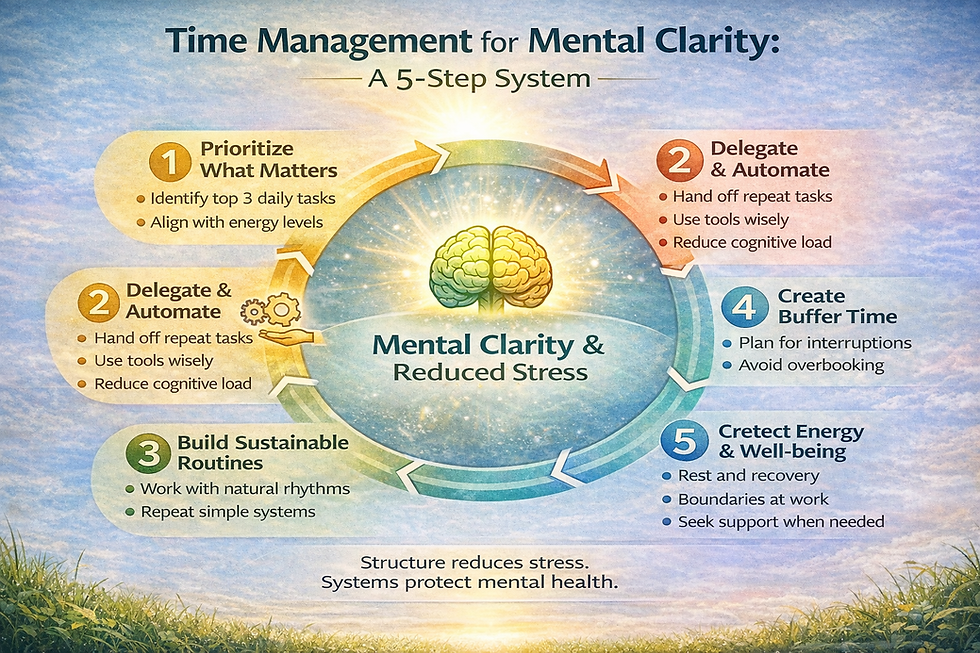
Time Management and Stress Connection
What if organizing your hours could change how you feel each day? Picture sorting chores, work, and breaks so nothing slips through cracks. Messy schedules lead to too many jobs at once, dates rushing closer, thoughts stuck in emergency mode. Pressure builds, your body reacts like it's under threat, flooding with chemicals that make everything seem heavier than before.
Starting tasks early clears confusion and lightens mental strain. Knowing each step ahead brings calm, because clarity grows when plans are clear. Control like that steadily, quietly lowers pressure naturally, shaping better days without noise.
Time Management Errors Adding Stress
It happens more than we admit, juggling too much until there's nothing left. Jumping into each task, event, or favor without pause crowds the days fast. Without space to breathe, energy drains, tension builds. Pushing through every demand wears down patience, sparks frustration, and piles on pressure.
Poor choices about what to tackle first show up often. When everything feels like an emergency, spotting the real priorities gets messy. That kind of mix-up pushes key work off track, while hours slip away on things that barely move the needle, piling on stress for no good reason.
Putting things off piles up pressure fast. When jobs wait till the final hours, chaos follows rushed choices, shaky results, and minds on edge. One missed step pulls another down with it. Screens buzzing nonstop wipe out any real break between duty and downtime. That constant hum? It never lets tension fade. Work leaks into nights, weekends, quiet moments; it just seeps through everything.
Time Management Helps Reduce Stress
Picking what matters first shapes how well time gets used. Most outcomes come from just a few actions, according to the 80/20 idea. Spotting these powerful moves means effort lands where it counts, easing pressure caused by juggling too many things. Though long lists exist, progress often hides in short ones.
Picture your day split into chunks. When focus gets its own slot, distractions lose their grip. Breaks show up not as afterthoughts but as anchors between tasks. Personal moments gain space without guilt creeping in. Choices drain less energy when timing is already set. Order forms quietly, like roots spreading under soil. Calm follows structure, even if chaos knocks at the door.
Focusing on one type of work at a time helps lower mental strain. When you put similar jobs into clusters, your brain doesn't have to jump around so much. Jumping between different kinds of duties wears down focus, no matter how efficient it seems. Handling many things at once adds pressure, even if it gives a sense of speed.
Pinning down achievable targets along with clear cut-off points keeps time use steady over weeks. Chopping up hefty assignments piece by piece? That smooths the load, eases tension tied to overwhelming work. Skipping the need for flawless results while dropping sky-high standards also quietly cuts daily pressure.
Simple Ways to Manage Time and Reduce Stress
Most people feel calmer when they know what comes next. Writing down tasks every day, either at dawn or after dark, keeps goals sharp and slips less likely. Some choose apps, others grab notebooks; either works if it sticks. What matters is doing it, not how.
Working in timed chunks shapes how people tackle tasks throughout the day. Instead of pushing nonstop, pausing resets attention gently. Focus sharpens when rest comes at steady points. Mental strain slips away with each brief timeout. Energy stays stable because effort flows in waves. Stress fades where rhythm replaces rush.
What if handing off chores could quiet your mind? Shifting work to someone else, or setting tools to handle it automatically, opens space for what matters. Less clutter on your plate means less weight on your thoughts. Efficiency climbs when you stop doing everything yourself. Sometimes relief hides in who does the job, or whether a machine runs it.
Looking back, each week shows where hours slip away, so shifts in planning can happen. When one thing clicks but another falls flat, changes follow naturally. Over days, noticing patterns makes handling tasks feel lighter. Stress fades a bit more when routines adapt like this.
The Mental Health Benefits of Managing Time Well
Starting the day with clear priorities often calms the mind. When hours are shaped ahead of time, stress shrinks, uncertainty loses its grip. Structure turns chaos into steps that fit one after another. Tasks seem smaller once they have their place in the plan. Confidence grows not from rushing, but from moving with purpose. Self-trust builds when small wins pile up without hurry.
Space opens up for rest, hobbies, and family when hours are shaped with purpose. Satisfaction grows once minutes stop slipping through distraction. Burnout fades into background noise where routines hold steady. Emotional strength builds quietly beneath daily choices that honor limits.
Building a Sustainable Time Management System
Morning light hits just right when the same steps repeat each day. Because rhythms stick, choices fade into background noise. When your body hums with its own clock, tough work finds better slots, energy climbs at different hours for everyone, use that tilt. Patterns form quietly, yet they hold everything together, tasks land where attention runs highest. Predictability isn't dull; it's freedom shaped by repetition. Effort flows more easily once timing aligns with natural rise and fall. Small loops of habit build a frame that holds time still.
A smart approach to tech matters just as much. Even though apps might help get things done, juggling too many of them adds pressure instead. Sticking with one straightforward method usually works better than switching around. When plans shift suddenly, tight timelines tend to backfire building in extra moments helps handle surprises smoothly.
When Managing Time Still Falls Short
Sometimes managing time helps lower stress, yet it might not fix everything. When work never ends, surroundings feel harmful, or life throws tough curveballs, bigger shifts become necessary. Notice when energy drains away, feelings turn heavy, and interest fades without reason. These signals matter more than they first appear.
When things get tough, talking to a counselor might help instead of pushing through alone. Changing how much work you take on can ease pressure better than just trying harder. Sometimes small shifts in daily habits make more difference than expected. How you use time ought to fit your health, not push it aside. If struggles continue, real solutions matter more than schedules.
Conclusion: Turning Time Into a Tool, Not a Stressor
Most days feel easier when time gets handled with care. What looks like simple planning often doubles as quiet relief for an overloaded mind. Putting one thing before another helps clear mental clutter. Realistic targets? They tend to ease pressure instead of adding to it. Routines built slowly stick better than rushed fixes. Control returns not through force, but steady choices. Feeling less tense usually follows when structure replaces chaos.
Life moves faster when you chase the clock. Shape each day around what matters most: your aims, connections, and people close to you. A slight shift here, a steady habit there, cuts through tension quietly. Moments add up not because they stretch longer but because they mean something. Balance grows slowly, like shade under a tree that was once just a seed.
Contact Us
Contact us for a free wellbeing consultation! Our experienced psychologists and wellness experts are here to support your mental and emotional health needs. Start your journey to a healthier mind and a happier life today!


Comments