.png)
The Influence of Online Communities on Social Wellbeing

Introduction
In the world we live in today, hyperconnected as it is, online platforms are lifelines for individuals looking for community, insight, and connection. With society increasingly fragmented and human contact more infrequent, online communities have become beacons of transformation that bridge the expanding gap of loneliness. Whether you are looking for counsel, emotional support, or a sense of belonging, there is an online community that is waiting for you to join.

Online groups are comprised of forums, Facebook groups, fandoms, subreddits, Discord servers, and specialized support platforms on which individuals with common interests, identities, or experiences interact. These virtual communities are not merely spaces where one scrolls and posts memes; they are also essential ecosystems that affect our mental, emotional, and social wellbeing. Although their impact can be truly beneficial, they also present challenges that require objective attention.
Understanding Social Wellbeing
Social wellbeing is the quality of our relationships and how we engage with the people around us. It involves feelings of belonging, emotional support, social inclusion, and value within a group or network. An individual's high social wellbeing enhances their mental health, life satisfaction, and provides them a more meaningful life.
Psychologists have known for ages that human connection is vital. Maslow's Hierarchy of Needs states that love and belonging belong to basic human needs, second only to physiological and safety needs. Social Identity Theory also proposes that group membership defines our self-image and increases our self-esteem. With more people seeking these psychological needs on digital platforms, it is important to understand the shift from face-to-face to virtual interaction.
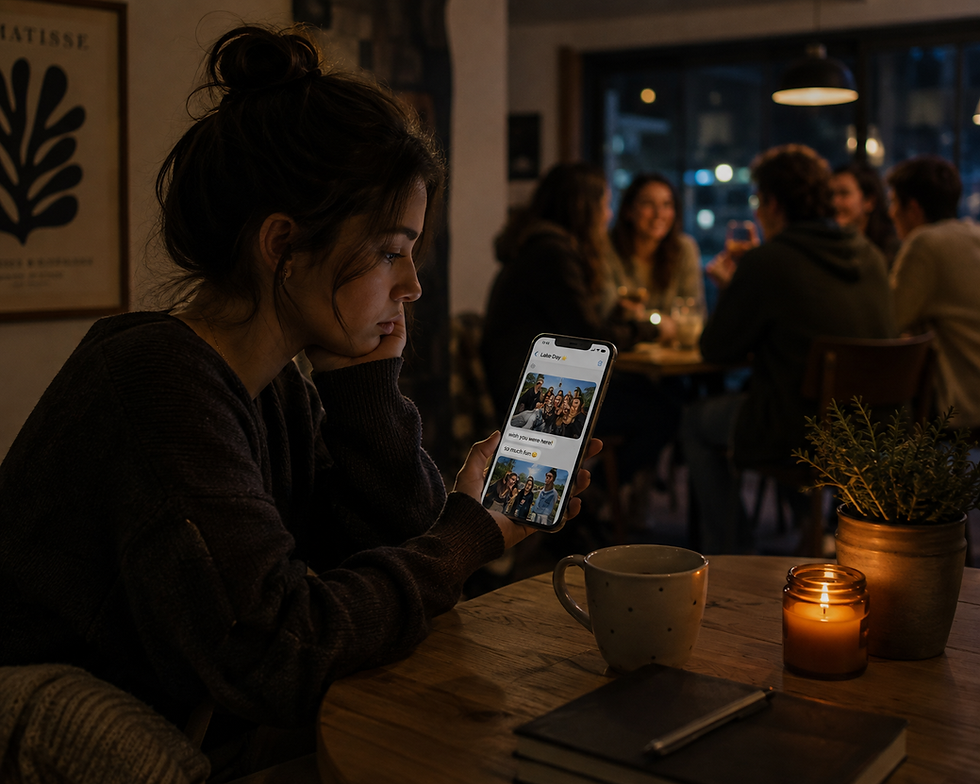
The transition to online interaction is not a fad—it's a revolution. Technology has enabled us to connect with like-minded people beyond geography. In this day and age of increasing loneliness and social anxiety, online communities take on a critical role. For most, online communities are more than alternatives; they are the primary points of connection.
The Positive Impacts of Online Communities
One of the greatest gifts of online communities is their ability to offer emotional support during tough times. Suppose you're living with a chronic condition, grieving, or experiencing mental health issues. In that case, you can connect with others online who totally get it. You have a place where you can speak freely and without fear of judgment, and people will understand and support you, helping to give you strength and hope. For instance, sites such as Facebook and Reddit have many mental illness and support groups where people can get live empathy and resources.
Another important benefit is the feeling of shared identity and belonging. Smaller communities—such as those for parents, fans of certain interests, or people with rare medical conditions—offer safe spaces where individuals can be themselves. People in these groups often say they feel understood and supported, which can greatly improve their self-esteem and overall happiness.
Online communities also give voice to marginalized people by providing them with a forum to speak and be heard. Several social justice movements have been mobilized through online communities where users mobilize, educate, and fight for change. This empowerment through the internet allows people who are voiceless offline to gain confidence and empowerment.
Furthermore, these platforms are great for learning and skill acquisition. From coding camps to language exchange sites and do-it-yourself hobby clubs, online spaces are knowledge goldmines. They enable peer-to-peer learning, mentorship, and teamwork, ensuring personal and professional growth has never been easier.
Risks and Downsides
Still, not everything that glitters online is as good as it seems. One of the biggest disadvantages of internet communities is the echo chamber effect—places where the same beliefs and thoughts are perpetually reinforced without debate. This can create radicalization, disinformation, and distorted reality. Political discussion boards or anti-science organizations are classic examples of how online spaces can sometimes breed division instead of comprehension.
Another danger is online harassment and toxicity. The comparative anonymity of the internet can become a trigger for the worst behaviours, resulting in cyberbullying, hate speech, and cancel culture. For vulnerable groups, these experiences can be deeply hurtful and worsen their mental health. Moderation tends to be uneven, and it becomes hard to ensure respectful and safe spaces.
Digital addiction and loneliness are also becoming prevalent issues. When individuals become more concerned about their online engagement than about actual relationships, it can result in poor face-to-face communication skills, less physical activity, and an illusory sense of social connection. Ironically, dependency on virtual communities can increase the very loneliness they were intended to bring relief from.
Real-Life Examples and Stories
Several success stories illustrate the healing power of online communities. Consider, for instance, mental health forums on Reddit, such as r/depression or r/anxiety, where users freely post their travails and get sympathetic advice. Many have attributed these forums to saving them from their bleakest moments.
In another instance, a hobbyist Facebook group for gardening turned into a lifeline for older members during the COVID-19 lockdowns. It provided not only tips for plants but also daily check-ins, birthday greetings, and a constant flow of positive human contact. These small but rich interactions played a significant role in participants' emotional resilience.
As per the Pew Research Center report, almost 55% of online users claim to feel closer to people who share similar interests due to online communities. These figures support the concept that online communities could be vital in upholding psychological and emotional wellbeing.
Developing Healthier Online Social Spaces
To enjoy the full fruit of online communities, members need to be selective about where they engage. Select communities that share your values and foster respectful conversation. It's also important to maintain personal boundaries—like setting limits on screen time or staying away from emotionally taxing conversations—to guard your mental space.
For content creators and moderators, healthy online communities demand evident guidelines, aggressive moderation, and welcoming practices. Creating empathy, diversity of opinions, and respect for each other can turn the community from a disordered space to a caring one. Earning trust also depends heavily on transparency and accountability.
Finally, encouraging digital literacy is the best way to ensure healthy online spaces. Knowing how to check information, spot manipulative tactics, and constructively engage promotes a wiser and more compassionate user group. Educating users in such skills, particularly children is a preventive measure that can keep digital interactions safer.
Conclusion
Online communities are incredibly powerful for healing and harming. Their effects on social wellbeing are undeniably real—providing emotional support, promoting a sense of belonging, and giving voices to those that may otherwise be silenced. However, they also pose risks that require vigilance and intentional engagement.
As online spaces become ever more integral to our existence, we have a responsibility to use them wisely and thoughtfully. Through conscious participation and community creation, online communities can transform lives, bridge gaps, and turn the internet into an interactive space. Let us harness their constructive potential while striving to contain the negatives for a more inclusive internet.
Contact Us
Contact us for a free wellbeing consultation! Our experienced psychologists and wellness experts are here to support your mental and emotional health needs. Start your journey to a healthier mind and a happier life today!


Comments