.png)
More Than 'Kids Being Kids': What Bullying Is (and Isn't)

Introduction
When 12-year-old Jamie lost interest in attending school, her parents thought it was a phase. It wasn't. After weeks of quiet suffering afterward, they found that she'd been living through constant name-calling and online abuse. Hers isn't an unusual tale, though. UNESCO reports that almost 1 in every three students in the world has been bullied by their classmates. For them, the emotional scars caused by bullying can linger into adulthood, damaging confidence, relationships, and mental well-being for years to come.
Nevertheless, we often hear adults dismiss it as "kids being kids." A spontaneous tussle on the playground, a joking insult, or a falling out of friendship is thrown into the mix with full-blown bullying. This misconception can have detrimental effects.
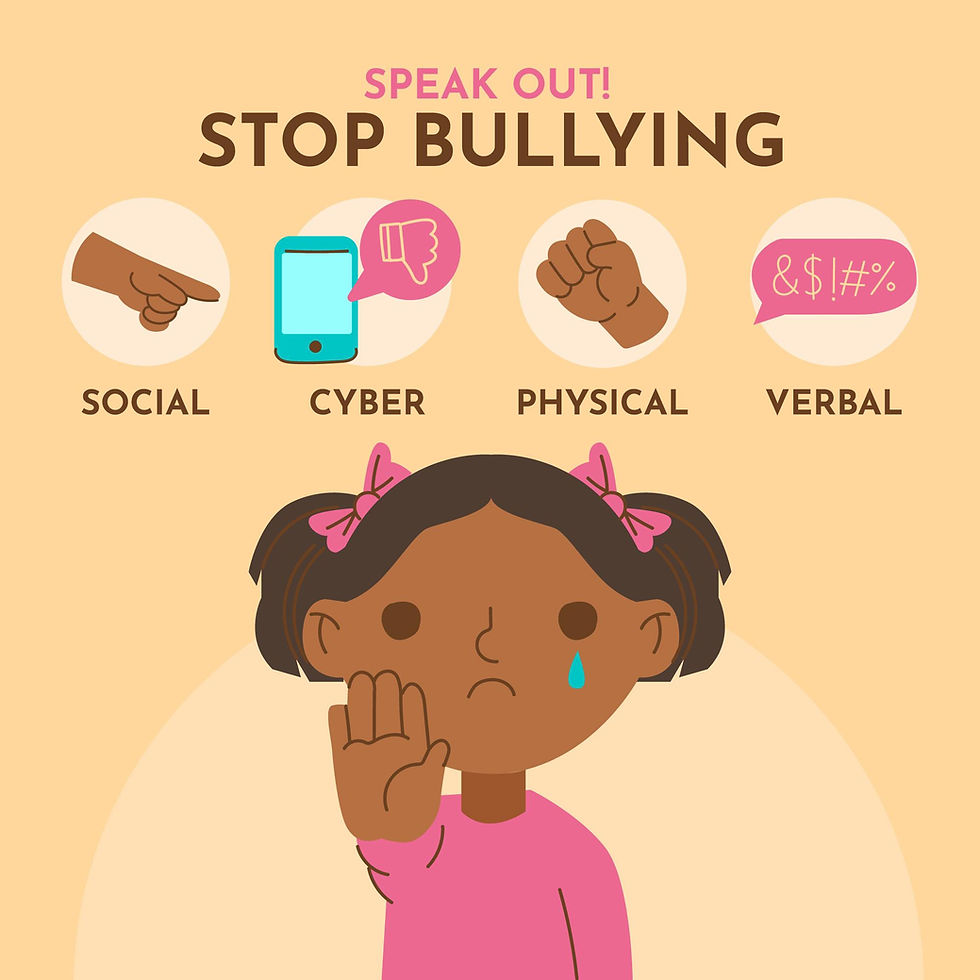
This blog seeks to comprehensively define what constitutes bullying, how it differs from common childhood disagreement, and examine the various forms of bullying children experience in this day and age. By grasping the subtleties, parents, teachers, and caregivers can help the children they care about more effectively—and prevent bullying before it leads to long-term damage.
Defining Bullying: The Core Characteristics
To learn about bullying, we must be specific about what it entails. Bullying is not a single event or an isolated argument—it is a repetition of persistent aggressive behavior with the intent to hurt, intimidate, or control another individual. Persistence is everything. A one-time argument might be distressing, but bullying recurs time and time again, making it an atmosphere of fear and helplessness for the targeted individual.
A second fundamental component is an imbalance of power. This may be physical (one child is stronger), social (one child is more popular), or even psychological (one child is privy to more intimate information). Power is employed to subdue, and the targeted person generally believes they are unable to ward off the attack successfully. Finally, bullying entails intent to harm—be it emotionally, physically, or socially. Unlike inadvertent hurt or miscommunication, the bully intends to belittle or dominate their target. When these three elements—repetition, power imbalance, and intent—are present, we're dealing with bullying, not just poor behavior.
What Bullying Is Not: Conflict, Teasing, and Arguments
It is necessary to differentiate bullying from the usual daily interactions of childhood. Fighting is a normal aspect of childhood. Children will disagree, argue, or even brawl, particularly as they are learning social limits and communication skills. These fights are usually between children of similar power or status and, in most cases, are solved through talking or parental intervention.
Teasing, however, hovers on the edge. Done in a friendly, playful manner—where everyone's laughing, and no one feels threatened—it's how children come to love each other. But teasing turns to bullying when it's repeated, unrequited, and intended to humiliate or exclude. Arguments and fights are emotional and sometimes physical as well, yet unless they're single events between kids of equal strength, they don't qualify as bullying.
Mischaracterizing these encounters as bullying not only muddies the waters but can also subvert actual cases where children are in real distress. Distinguishing between them makes adults react with the appropriate sort of response—be it conflict resolution or intervention for bullying.
The Four Main Types of Bullying
1. Physical Bullying
This is what the majority of people imagine when they think of the term "bullying." Physical bullying comprises acts such as hitting, pushing, kicking, tripping, or destroying someone's property. It's usually the most obvious and easiest to recognize.
Yet it's not always the emotionally most harmful type, particularly compared to social or cyberbullying, which can cause invisible but permanent wounds.
2. Verbal Bullying
Verbal bullying is as damaging as physical violence. It involves name-calling, insults, threats, and cutting sarcasm. Words are powerful—particularly at the childhood and adolescent stages when self-esteem is forming.
Ongoing verbal harassment can result in anxiety and depression and permanent harm to self-esteem, so adults need to take it seriously, even if no physical injuries are present.
3. Social/Relational Bullying
Also referred to as "covert bullying," this type is more hidden but profoundly damaging. Relational bullying includes isolating someone, gossiping, or intentionally ruining someone's social standing. Kids who are targeted end up suffering in silence since they may not know how to describe what's occurring—or worry about worse things happening.
Relational bullying occurs frequently in schools and among preteens and adolescents, where peer acceptance is a gigantic factor in emotional health. Children who are excluded are often left feeling isolated, anxious, depressed, and withdrawn.
4. Cyberbullying
Bullying no longer stops at the school door in today's cyber age. Cyberbullying occurs on social media, messaging platforms, online games, or even emails. It can involve threatening, posting embarrassing information, excluding from online groups, or pretending to be someone else.
What is particularly problematic with cyberbullying is its spread and longevity—one hurtful message can go on forever, and the victim feels there is no refuge, not even the safety of home.
Why Misunderstanding Bullying Hurts Everyone
When bullying is downplayed or misunderstood, victims silently suffer. They're advised to ignore it, retaliate, or that it's just growing up. This dismissal has the potential to increase feelings of isolation, shame, and helplessness. Worse, children may internalize the abuse with the belief that they somehow deserve it if left unaddressed.
Bullies also miss out when their actions are dismissed or normalized. Lacking guidance and consequences, they can fail to learn empathy, responsibility, or appropriate social behavior and risk future social conflicts, even criminal behavior. And for bystanders, for children who see bullying but are not confronted by adults about what they are witnessing—the lesson is learned: power prevails, and cruelty pays.
Comprehending the distinction between bullying and other behaviors is not simply a matter of semantics—it's a matter of ensuring mental health, supporting emotional growth, and building a culture of respect and empathy.
Conclusion: It's Time to Rethink "Kids Being Kids"
Not every playground disagreement or teasing comment is bullying—but when harmful behaviors are repeated, intentional, and involve an imbalance of power, they are. Knowing the difference is the first step toward creating safer, more compassionate environments for our children. The emotional impact of bullying can last a lifetime if left unaddressed, manifesting as anxiety, low self-esteem, academic struggles, or even trauma.
As adults, we have a responsibility to listen, learn, and lead. That means recognizing the signs of all four types of bullying, opening up safe conversations with kids, and modeling empathy and emotional intelligence. It also means being proactive—building school and home environments where kindness is valued and cruelty has consequences.
Let's not wait until after the harm is done. Discuss with your children what bullying looks like, feels like, and how to act. Remember, the sooner you act, the greater will be your children's chances of having a happy childhood.
Contact Us
Contact us for a free wellbeing consultation! Our experienced psychologists and wellness experts are here to support your mental and emotional health needs. Start your journey to a healthier mind and a happier life today!


Comments